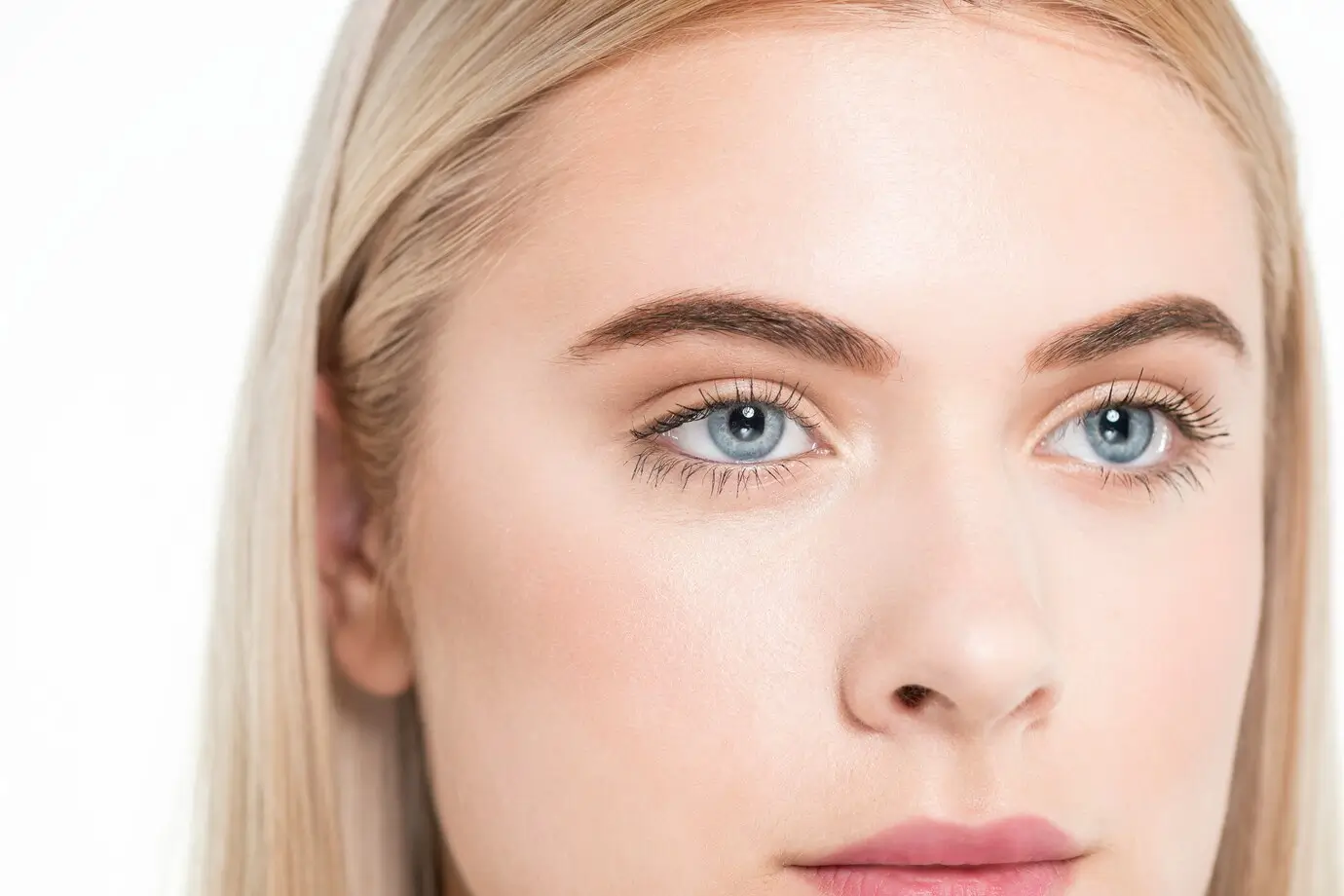
See visible improvements in fine lines and wrinkles within a few days.
Achieve smoother skin without the need for invasive procedures.
Effectively reduces wrinkles caused by facial expressions, such as frown lines and crow’s feet.
Here are answers to the most common questions about this treatment.

Complementary treatments that enhance or support this service, designed to help you achieve your desired results.
Lorem ipsum dolor sit amet, consectetur adipiscing elit.
Ut elit tellus, luctus nec ullamcorper mattis, pulvinar.
Lorem ipsum dolor sit amet, consectetur adipiscing elit.
Ut elit tellus, luctus nec ullamcorper mattis, pulvinar leo.
Botox (botulinum toxin type A) is a prescription injectable used for cosmetic purposes to soften dynamic wrinkles — the lines formed by repeated facial expressions such as frowning, squinting and smiling. It works in very small, precise doses to relax overactive muscles so the overlying skin creases less, helping the face look smoother and refreshed while keeping natural movement and expression.
Dynamic wrinkles differ from static wrinkles: dynamic lines appear with muscle movement (for example, horizontal forehead lines or the glabellar “11s” between the brows), while static wrinkles are visible at rest and often reflect long-term skin changes. Botox is most effective for dynamic lines but may be used alongside other treatments to address static creases and overall texture.
Botox is one of several botulinum toxin products used by clinics; your practitioner will recommend the appropriate botulinum toxin injection or injections based on your goals. If you want to improve appearance with subtle, natural-looking results and minimal downtime, read on to learn how it works and what to expect — or book a consultation to discuss a tailored plan.
Botox works at the junction between nerves and muscles. The active ingredient, a purified botulinum toxin (type A), temporarily prevents the nerve ending from releasing acetylcholine, the chemical messenger that tells a muscle to contract. With a reduced signal, the targeted muscle relaxes and the overlying skin creases less, so lines on the forehead, between the brows and around the eyes become softer.
Because the effect is local and dose-dependent, practitioners precisely place tiny amounts of the product into specific muscles to achieve the desired change in movement without affecting surrounding areas. The action is reversible: nerve endings gradually recover function and muscle activity returns over weeks to months, which is why repeat botulinum toxin injections are required to maintain results.
Although botulinum toxins are potent neurotoxins produced by Clostridium botulinum, clinic-use preparations are highly purified and formulated for medical and cosmetic treatments. When given by a qualified clinician, systemic effects are extremely unlikely; the procedure is designed to act at the injection site rather than throughout the nervous system. If you’d like to read primary guidance, ask your clinician for product information and references (citation needed).
Botox is suitable for adults seeking a quick, non-surgical way to soften expression lines and refresh their appearance with minimal downtime. It’s aimed at people who prefer subtle, natural-looking results rather than dramatic change. Suitable candidates typically want to improve appearance of dynamic lines (those caused by muscle movement) and are in good general health — your practitioner will assess skin, muscle activity and medical history to confirm suitability.
If you’re unsure whether Botox suits your goals, book a consultation to review your skin, muscle activity and medical history; the practitioner will explain likely outcomes and maintenance options.
Practitioners target specific muscles to address common concerns. Typical areas treated with injections include:
The consultation is where we clarify your goals, assess muscle movement and facial balance, and review your full medical history to ensure treatment is safe and appropriate. Photos are usually taken to document baseline appearance and help plan injection sites. Your practitioner will explain which muscles are targeted, discuss realistic results and maintenance, and answer any questions — if you decide to proceed you can book treatment on the day or schedule a convenient appointment.
On the day of treatment the skin is cleansed and the clinician marks precise injection sites. Tiny amounts of botulinum toxin are injected with ultra-fine needles into the selected muscles; most people describe the sensation as brief pinches or mild pressure. The procedure typically takes 10–30 minutes depending on the number of areas treated. No general anaesthetic is required and most patients return to normal activities immediately, following the aftercare advice.
These precautions help the botulinum toxin settle as intended and reduce the risk of bruising or unintended effects. Follow any personalised pre- and post-treatment guidance provided at consultation (for example, medication advice) — your clinician will confirm specific instructions.
Results typically become noticeable within 3–7 days and continue to develop, with full effect around two weeks. Most people enjoy results for about 3–4 months, though some experience benefit for up to 6 months depending on factors such as metabolism, dose, the strength of the treated muscles and how expressive the area is. Repeat injections at appropriate intervals help maintain the appearance you want; your practitioner will recommend a schedule tailored to your response and goals.
When administered by a qualified medical professional, Botox has a well-established safety profile. Most side effects are mild and temporary: common reactions at the injection site include redness, tiny bumps, bruising that may last 7–14 days, and occasional local discomfort or headache. Rarely, people may notice temporary asymmetry or drooping of nearby structures (for example, eyelid ptosis) — these effects usually resolve as the product wears off but should be reported to the clinic so we can advise on management and follow-up.
Botox preparations are purified forms of botulinum toxin (a neurotoxin produced by Clostridium botulinum), reformulated for medical and cosmetic use. Because injections are targeted and dose-dependent, systemic effects are extremely unlikely when treatment is performed correctly; nevertheless, openness about your medical history and medications helps the clinician assess individual risk.
Before treatment you will be asked about current medications, supplements and medical conditions. Some medicines (for example, certain muscle relaxants or aminoglycoside antibiotics) can interact with botulinum toxins or increase risk; follow the clinic’s pre-treatment guidance. If you experience unexpected pain, significant swelling, visual changes or breathing difficulties after treatment, seek immediate medical attention and contact the clinic.
The clinic manages adverse events with prompt assessment, documentation and follow-up; appropriate steps may include reassurance and conservative measures, or referral to a specialist if needed. For detailed product information and official safety guidance, ask your clinician for the specific manufacturer leaflet and evidence sources.
Beyond cosmetic uses, botulinum toxin injections are also employed for several medical conditions. Some of these are licensed indications for specific products, while others may be offered off‑label where evidence and clinical judgement support benefit. Your suitability for therapeutic treatment will be assessed at consultation, taking into account diagnosis, prior treatments and any prescribing guidelines.
Examples: a patient with daytime jaw pain and worn tooth enamel may be offered masseter injections to reduce clenching; someone with disabling underarm sweating that has not responded to topical options may be offered hyperhidrosis treatment; a person meeting criteria for chronic migraine may be considered for prophylactic injections after neurologist assessment. Discuss your symptoms and medical history at consultation to see whether a therapeutic botulinum toxin treatment is appropriate for you.
If you would like more information or to book a therapy-specific consultation, contact the clinic — we will explain the likely benefits, possible side effects and expected maintenance for each indication.
Yes. Dosing and injection placement are customised to soften lines while preserving normal facial movement. The goal is a subtle, refreshed appearance rather than a frozen look — discuss your aesthetic priorities at consultation so the clinician can tailor treatment to your facial balance.
Early improvements are often visible within 3–7 days, with the effect continuing to refine for about two weeks. Timing can vary by product, treated muscle and individual response.
Most people repeat treatments every 3–4 months to maintain the effect; some experience results that last longer. Your practitioner will recommend an interval based on how your muscles respond and your desired outcome.
There’s usually no significant downtime. Mild redness, tiny bumps or bruises at injection sites are common and settle quickly; most people return to normal activities the same day. Follow aftercare advice to reduce bruising and optimise results.
Yes — certain botulinum toxin treatments are used therapeutically for conditions like chronic migraine and hyperhidrosis. Suitability depends on diagnosis and clinical criteria, so these uses are assessed during consultation and offered where appropriate.
Your clinician will advise on pre-treatment steps. Common recommendations include disclosing all medications and supplements, and avoiding blood-thinning medications or high-dose aspirin only if advised by your prescriber — follow the clinic’s specific guidance to reduce bleeding and bruising risk.
Treatments are performed by trained medical professionals experienced in facial anatomy. When given by a qualified practitioner using medical-grade botulinum toxin products, injections have a strong safety record. Discuss any medical conditions during consultation and ask to see product information and practitioner credentials if you wish.
Still unsure? Book a short consultation or phone call to discuss your concerns, expected results for fine lines, crow feet and forehead wrinkles, and to get a personalised treatment plan.
DoctorAM Clinics combines medical expertise with a patient-centred approach to deliver safe, natural-looking Botox treatments in Mosta. Treatments are provided in a comfortable, well-equipped clinic using medical-grade products and modern techniques; we emphasise clear consultations, realistic expectations and documented aftercare so you feel supported throughout your treatment journey.
Our team is led by a doctor trained in aesthetic medicine and public health, and all procedures follow clinical governance and local professional standards. We welcome questions about product brand names, expected result timelines (months), and suitability for both cosmetic and therapeutic uses such as migraine — feel free to request practitioner credentials or product information during your consultation.